
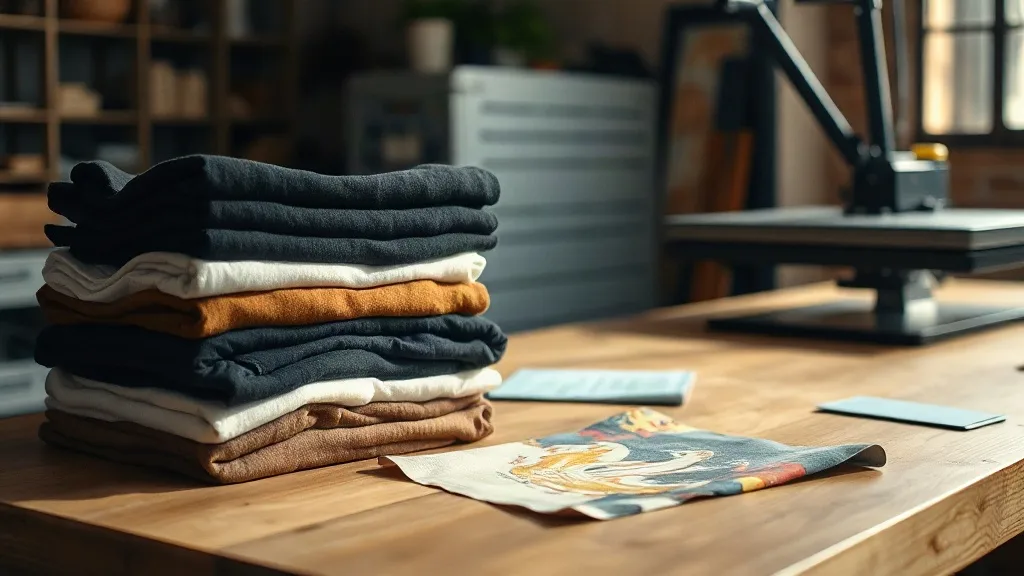
You can dial in your printer settings, perfect your powder shake, and still watch a customer frown at a print that looks a little flat. Nine times out of ten, the problem isn't your DTF process. It's the shirt underneath it. The blank you choose is the foundation of every print you sell, and it quietly shapes how sharp the details look, how the colors read, and how the garment feels after the third wash. That's why so many print shops have started paying closer attention to shaka wear as a go-to blank for both everyday tees and heavyweight streetwear builds.
This guide walks through what makes a blank worth printing on, how shaka wear fits into a busy DTF workflow, and how to plan gang sheets so you're not wasting film or time. If you're running a small shop or printing for your own brand, these are the details that separate a print that sells from one that sits in a drawer.
Why the Blank Matters More Than Most Printers Think
DTF transfers are only as good as the surface they land on. A soft, loosely knit tee can make even a crisp transfer look muddy because the fabric texture shows through the ink. A tightly knit, heavier cotton gives the adhesive a smoother bed, so fine lines, small text, and gradients hold their shape. That's the first reason shaka wear gets recommended so often: the fabric face is consistent from shirt to shirt, which means fewer surprises when you press a batch of twenty.
There's a second reason that doesn't get talked about enough. Customers judge a print with their hands as much as their eyes. A heavyweight tee with a good hand feel makes a simple one-color chest print feel premium. A thin, flimsy blank makes the same print feel like a giveaway shirt. The print didn't change. The perception did.
Fabric weight and why it changes the print
Heavier fabrics, generally in the 5.5 to 7 ounce range, tend to have a tighter weave and a flatter surface. That flat surface is what your transfer adhesive bonds to. Lighter fabrics, especially open-knit blends, can let the adhesive sink in unevenly, which is where you get that slightly textured, almost grainy look on large solid areas. If you're printing detailed artwork or big blocks of color, weight is your friend.
Color and contrast on dark garments
Printing on black or navy is a different game. You need a white underbase that's opaque enough to keep colors from going muddy, and you need a blank that won't bleed or crock after washing. Shaka wear's darker tees are popular for exactly this reason: the dye holds, and the surface doesn't fight the transfer. If you've ever pulled a print out of the wash and watched the white layer turn grey, you know how much a reliable blank saves you in replacements and bad reviews.
What Makes Shaka Wear a Practical Choice for DTF Shops
Shaka wear has built a following in the print community for a few grounded reasons. The tees are cut for a modern, slightly boxy fit that suits streetwear and casual branding. The fabric is substantial without being stiff. And the size range and color consistency make it easier to keep a repeat customer happy when they reorder the same design six months later.
For a DTF shop, consistency is the whole game. You don't want to re-profile your press settings for every new batch of blanks. You want to know that a 375-degree press for twelve seconds will give you the same result on shirt one and shirt fifty. Shaka wear's heavier styles tend to hold up to that repetition well, which is why they show up in a lot of small-batch brand launches and event merch runs.
Fit and finish that customers notice
The fit matters for print placement. A boxy tee gives you more real estate across the chest and back, which means larger prints sit naturally instead of looking cramped. Shoulder seams that sit where they should also mean your neck label and chest hit land in the right spot without adjustment. These are small things, but they add up to a garment that looks intentional rather than improvised.
Where shaka wear fits in your product line
Not every job needs a heavyweight tee. A gym promo might want a lighter, breathable blank. A premium brand drop probably wants the heavier shaka wear cut. The smart move is to keep two or three weights on hand and match the blank to the job. That way you're not overpaying for a giveaway shirt or underdelivering on a paid product.
Building Smarter Gang Sheets Around Your Blank Choice
Once you've settled on a blank, the next bottleneck is layout. Every square inch of film costs money, and a poorly planned sheet wastes both film and press time. This is where a DTF Gangsheet Builder earns its keep. Instead of manually dragging files around in a design program, you upload your artwork, set your sizes, and let the builder pack the sheet efficiently.
The practical benefit is simple: you stop guessing. A good builder shows you the film dimensions, warns you when a design won't fit, and lets you mix sizes on one sheet so a small left-chest logo can share space with a full-back print. That's how you cut waste without cutting quality.
Mixing sizes without wasting film
A common mistake is running all large prints on one sheet and all small prints on another. You end up with odd gaps and wasted margins. Instead, nest a few small logos into the negative space around a large back print. The builder makes this easy because it calculates the layout for you. The result is a sheet that's nearly full, which lowers your cost per print.
Planning for repeat orders
If you know a design will reorder, save your gang sheet layout. Rebuilding it from scratch every time is wasted labor. A saved layout also keeps your sizing consistent, so the second run matches the first. Customers notice when a reprint looks slightly different, and consistency is what keeps them coming back.
Press Settings and Handling That Protect the Print
Even a great blank can be ruined by a bad press. A few habits make a real difference. Pre-press the garment for a few seconds to remove moisture, especially on heavier cotton. Use firm, even pressure so the adhesive fully contacts the fabric. Peel cold for a matte finish or warm for a softer hand, depending on the look you want. And always wash-test a sample from each new batch of blanks before you commit a full run.
Storage matters too. Keep transfers flat and dry. Humidity is the quiet enemy of DTF film, and a damp transfer will fail on even the best shirt. A simple airtight bin solves most of it.
Common Questions About Shaka Wear and DTF Printing
Is shaka wear good for DTF printing?
Yes. The heavier styles have a tight, smooth fabric face that gives DTF adhesive a consistent surface to bond to. That means sharper detail and better wash durability than you'd get on a loose-knit, lightweight blank. It's a popular choice for streetwear and small-batch brand runs.
What weight of shaka wear works best for large back prints?
For large prints, aim for the heavier end of the range, around 6 ounces and up. The extra weight keeps the garment from stretching under the print and gives the ink a flatter bed, so big color blocks stay solid instead of showing fabric texture.
How do I stop DTF prints from cracking on darker shaka wear tees?
Cracking usually comes from under-curing or too much stretch during pressing. Make sure your transfer is fully cured, press with even pressure, and let the garment cool flat before folding. A cold peel also helps keep the edges clean on dark fabrics.
Can I use a DTF Gangsheet Builder for small repeat orders?
Absolutely. Small orders benefit most from good nesting because wasted film hurts more when you're only running a handful of prints. A builder lets you combine a few designs on one sheet, which keeps your cost per piece reasonable even at low volume.
Where can I find shaka wear blanks for my shop?
Specialty print suppliers and online collections carry shaka wear in a range of weights and colors. Look for a supplier that stocks consistent dye lots and offers reorders, since color matching across batches is one of the biggest headaches in repeat business.