
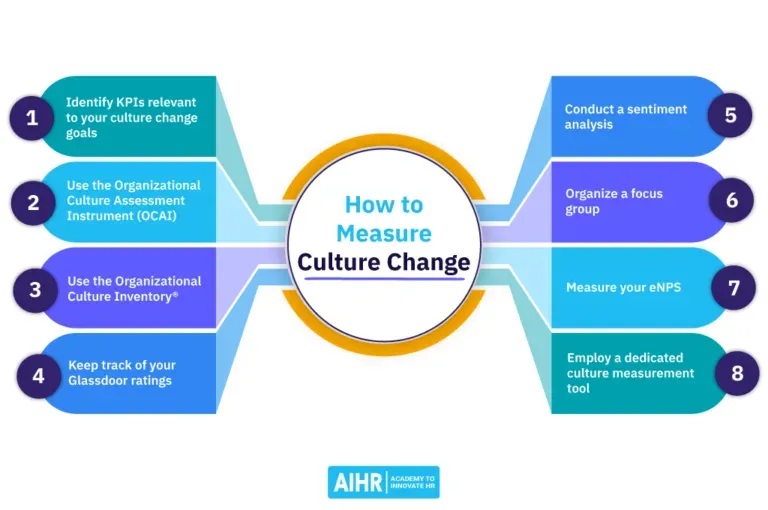
Measuring culture is a practical, data-informed discipline that reveals how values, norms, and behaviors shape outcomes in both organizations and societies. By exploring culture through a clear lens, leaders gain a disciplined way to diagnose strengths, uncover gaps, and align actions with strategy. This introduction explains why culture matters for performance and social cohesion, and how measurement translates values into everyday practice. A thoughtful approach helps forecast how changes in behavior affect results and stakeholder trust. The goal is to turn insights into actionable steps that improve daily work and community life.
In practical terms, organizations describe this work as measuring organizational culture, diagnosing climate, or assessing how shared norms guide actions. Culture indicators, trust signals, and governance prompts reveal how daily routines align with stated values. At the societal level, policy researchers often track metrics like participation, trust, and social cohesion to understand broad cultural dynamics. A culture measurement framework ties these inputs together, outlining outcomes, data sources, privacy protections, and governance for reporting and intervention. With this broader language and toolkit, leaders can translate culture insights into concrete programs that improve performance and social well-being.
Measuring culture in organizations: a culture measurement framework for translating values into action
Measuring culture in organizations is more than tallying survey results; it is a deliberate, data-informed practice that translates values into daily behaviors and outcomes. A culture measurement framework helps leaders diagnose strengths and gaps, track progress over time, and design interventions aligned with strategic goals. By focusing on outcomes, indicators, data sources, and governance, organizations move from intuition to evidence-based decision-making when it comes to measuring organizational culture, culture metrics, and how culture indicators drive performance.
In practice, this framework enables a disciplined approach to measuring organizational culture. Define outcomes such as strategic execution quality, cross-functional collaboration, and inclusive leadership. Then select a balanced set of culture indicators—values alignment, behavior metrics, communication clarity, inclusion and belonging, learning and adaptability, and trust or psychological safety—alongside outcomes-focused metrics. Gather diverse data sources including surveys, behavioral data, qualitative interviews, administrative records, and external benchmarks. Finally, govern the process with clear data ownership, privacy protections, and dashboards that reveal trends over time, enabling targeted interventions that improve culture metrics and advance measuring organizational culture.
Societal culture metrics: applying culture indicators to gauge trust, cohesion, and civic participation
Societal culture metrics extend the same measurement rigor to communities and nations, using culture indicators to assess trust, cohesion, and inclusion. By harnessing national surveys, international datasets (e.g., World Values Survey), and qualitative case studies, policymakers can track how norms influence civic participation, tolerance, and resilience. Measuring culture at the societal level allows for international comparisons and learning from diverse governance models, while adapting indicators to local contexts to maintain relevance and validity within a culture measurement framework.
Implementing societal culture metrics requires attention to cross-cultural validity, data quality, and privacy. Challenges include measurement bias, differences in response styles, and resource constraints. Start with a core set of high-impact indicators—trust in institutions, social capital, and participation in public life—and expand as capacity grows. Use triangulated data to guide policy design, allocate resources effectively, and monitor the impact of interventions over time. When societies couple culture metrics with deliberate programs and transparent reporting, they can strengthen social fabric, improve governance legitimacy, and foster greater civic vitality.
Frequently Asked Questions
What is measuring culture, and how do culture metrics and a culture measurement framework support organizational performance?
Measuring culture is a disciplined practice that goes beyond tallying survey results. It systematically examines how values, norms, and behaviors shape organizational outcomes. Using a culture measurement framework that centers on four elements: outcomes, culture indicators, data sources, and governance, leaders gain actionable insights from culture metrics. This approach supports diagnosing strengths and gaps, tracking progress over time, and designing interventions that align daily actions with strategy by triangulating surveys, behavioral data, and qualitative inputs.
How can societal culture metrics and culture indicators inform policy and governance?
At the societal level, societal culture metrics and culture indicators help policymakers gauge trust, cohesion, and inclusion, guiding governance and program design. A culture measurement framework applied to societies enables tracking outcomes such as civic participation and trust in institutions across contexts, with cross-cultural validity and longitudinal insights. Data sources include national surveys, international datasets, and qualitative case studies, all governed by privacy protections and transparent reporting to inform resource allocation and policy decisions.
| Theme | Core Idea | Key Takeaways |
|---|---|---|
| What measuring culture is | Measuring culture is more than tallying survey results; it’s the systematic practice of understanding how values, norms, and behaviors shape outcomes at both the organizational and societal levels. | – Diagnose strengths and gaps; track progress over time; design interventions aligning daily actions with strategy. – Goes beyond a single score to reveal how culture drives results. – Enables a disciplined approach to improving both performance and well‑being. |
| Organizational metrics — benefits and signals | Culture metrics illuminate how well an organization translates strategy into practice and reveal early warnings of misalignment and silos. | – Linked to engagement, collaboration, reduced turnover, and better customer outcomes. – Supports data‑driven decisions about culture investments. – Signals gaps between what leaders say and what teams experience. |
| Societal metrics — benefits and signals | Societal culture metrics gauge trust, cohesion, and inclusion, and how norms influence civic participation and resilience. | – Inform policy design, benchmarking, and cross‑national learning. – Help design programs to strengthen social fabric and equity. – Enable international comparisons and governance model learning. |
| The four‑element framework | A practical culture measurement framework comprises four core elements: outcomes, indicators, data sources, and governance. | – Outcomes: define desired behaviors/results for organizations or societies. – Indicators: balanced, multi‑dimensional measures (values alignment, behavior, communication, inclusion, learning/adaptability, trust, and outcome metrics). – Data sources: triangulate surveys, behavioral data, qualitative inputs, governance data, and external benchmarks. – Governance: data ownership, privacy, accountability, dashboards, and ethical use. |
| Implementation in organizations | A practical road map for putting measuring culture into practice in organizations. | – Leadership commitment and role modeling. – Survey design, concise questions, cadence, and pulse checks. – Data governance, privacy, and access controls. – Cross‑functional teams and stakeholder involvement. – Actionable interventions and owner‑led improvement. – Benchmarking and learning against internal and external peers. |
| Measuring culture in societies — practice | Measuring culture in societies requires sensitivity to cross‑cultural differences and data availability. | – Use indicators like trust in institutions, civic participation, tolerance, and social capital. – Source data from national surveys, international datasets (e.g., World Values Survey), and case studies. – Adapt indicators to local context, validate instruments, and consider longitudinal studies. |
| Challenges and best practices | Address common measurement hurdles with robust practices. | – Cultural and survey bias; cross‑cultural comparability; data quality and privacy; resource constraints; focus on actionable metrics. – Pilot testing, harmonized measures, privacy protections, and scalable data collection. – Place emphasis on insight that informs decisions, not vanity metrics. |
| Tools and practical sources | A toolkit to support measuring culture. | – Survey platforms with validated scales; analytics dashboards; HRIS and payroll data for equity analysis. – Qualitative methods (interviews, focus groups); text analytics and sentiment analysis. – Case studies and governance practices to guide implementation. |
| Case examples | Illustrative examples of applying culture metrics in firms and societies. | – Tech firm: core indicators, cross‑functional programs, inclusive leadership, and promotion criteria with dashboards to track progress. – City government: trust, participation, and safety indicators to guide place‑based interventions and resource allocation. |
Summary
Conclusion: