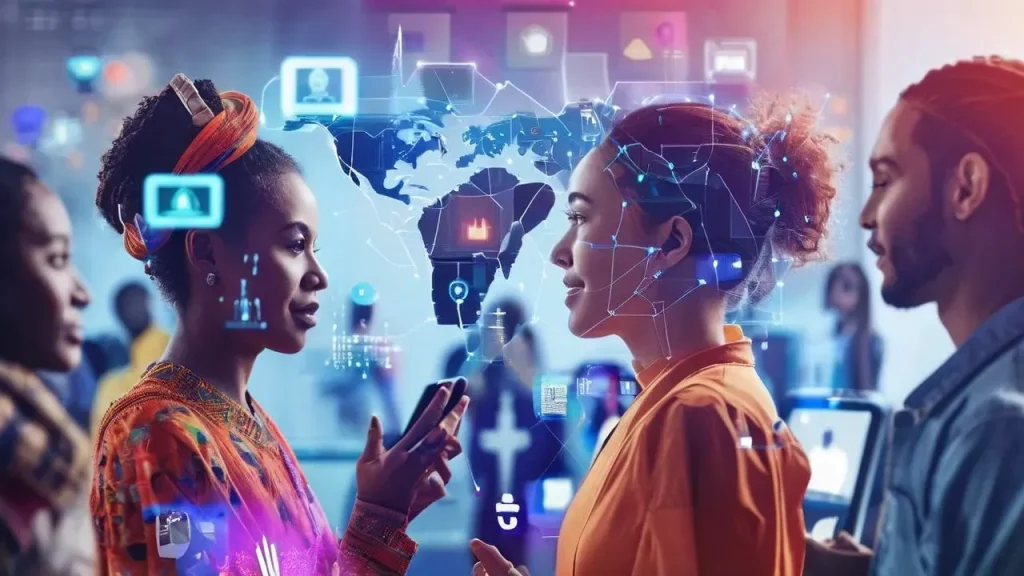
AI and Culture is reshaping how we think about technology’s role in our rituals, languages, arts, and shared memories, inviting us to rethink meaning itself. As machines learn from human creativity, communities can explore new forms of storytelling, collaboration, and expression within living traditions. This opening look at the intersection of computation and heritage emphasizes stewardship, not sensationalism, guiding thoughtful design, governance, and inclusive participation. From digital preservation to accessibility and education, responsible use helps safeguard artifacts while expanding audiences. This approach emphasizes ongoing dialogue, capacity-building, and transparent governance so that innovations serve people and communities rather than institutions, for a future shaped by empathy and learning.
The intersection of intelligent systems and human heritage invites museums, researchers, and communities to reimagine how stories are created and shared. Digital humanities and computational approaches empower preservation, interpretation, and access across languages, generations, and regional traditions. Rather than replacing voices, smart technologies augment scholars’ ability to trace how rituals travel, artifacts circulate, and memories endure. Ethics, governance, and inclusive design remain essential as data-driven methods shape what communities see, hear, and remember. By prioritizing open data, multilingual interfaces, and participatory projects, we can align innovation with the values of diverse cultures.
AI and Culture: How Artificial Intelligence Shapes Tradition and Creative Expression
Artificial intelligence is not just a tool for efficiency; it is a collaborator that expands human creativity. In art, music, and storytelling, AI can generate novel sounds, co-design interactive experiences, and push boundaries. This aligns with the idea of artificial intelligence and culture, where machines learn from human creativity to extend our toolkit. Cultural analytics can reveal how audiences engage with AI-assisted works, uncovering new forms of participation and meaning.
Beyond studios and galleries, AI drives immersive programming in museums and libraries, offering personalized experiences through natural language processing and dynamic storytelling. Digital preservation plays a practical role here, ensuring that AI-enhanced artifacts, performances, and narratives remain accessible over time. At the same time, governance considerations—rooted in AI ethics in culture—help ensure that technology respects communities’ values, voices, and memory while enabling innovative forms of expression.
Technology and Tradition in the Digital Era: Ethical Stewardship and Cultural Insight
Technology and tradition are not opposites but complementary forces when guided by thoughtful governance. AI ethics in culture emphasize transparency, accountability, consent, and fair representation, ensuring communities retain voice and control over how their material is digitized, analyzed, and presented. When elders, practitioners, and cultural custodians participate in decision-making, outputs honor living practices and avoid misrepresentation or commodification, aligning with responsible modernization of shared heritage.
Digital preservation and cultural analytics offer concrete pathways for safeguarding and understanding culture in the digital age. AI-driven preservation aids in de-duplication, restoration, and long-term access to artifacts, while OCR and handwriting recognition turn archival documents into searchable knowledge. Cultural analytics then quantify patterns in festivals, dialect shifts, and literary themes, helping educators, policymakers, and stewards identify gaps and opportunities for inclusive storytelling and community-led projects that honor local variation and resilience.
Frequently Asked Questions
How does digital preservation support artificial intelligence and culture in heritage projects?
Digital preservation, powered by AI, supports artificial intelligence and culture by automating transcription, restoration, and metadata tagging of artifacts. AI-driven tools can recover faded manuscripts, enhance audio quality, and generate searchable text, expanding access for researchers, educators, and communities. This work is guided by ethical data governance, consent, and cultural sensitivity, aligning with AI ethics in culture.
Why are AI ethics in culture important for practices in cultural analytics and the technology and tradition continuum?
AI ethics in culture ensures transparency, fair representation, and community ownership when applying cultural analytics to large datasets. By involving elders, practitioners, and local communities in digitization and analysis decisions, we honor tradition while enabling new insights into how cultures evolve. This balanced approach helps ensure that artificial intelligence and culture tools expand access to heritage responsibly and without misrepresentation.
| Aspect | Key Point |
|---|---|
| Introduction | AI and Culture is a human story about how artificial intelligence intersects with rituals, languages, arts, and shared memories; it asks how intelligent systems reshape meaning, storytelling, and remembrance, and emphasizes stewardship through thoughtful design to strengthen culture. |
| AI and Culture in Practice | AI acts as a collaborator in visual arts, music, and literature; artists use AI to generate new sounds and interactive works, and museums deploy AI to create immersive, personalized experiences, democratizing access to culture. |
| Technology and Tradition: A Delicate Balance | AI can streamline administration and support stewardship (e.g., translating oral histories, indexing folk songs, mapping diffusion of customs), but governance and AI ethics are essential to avoid eroding local practices or privileging dominant narratives. |
| Digital Preservation and Cultural Analytics | AI aids preservation through de-duplication, restoration, transcription, OCR and metadata tagging; cultural analytics quantify patterns in traditions, informing researchers and policymakers about how culture evolves and persists. |
| Ethics, Inclusion, and Community Agency | Ethics demand transparency, accountability, fair representation, consent, data sovereignty, and community ownership; involve elders and cultural custodians in decisions; prioritize accessibility and multilingual or adaptive experiences. |
| Global Perspectives and Local Realities | AI deployment must respect regional differences and avoid one-size-fits-all solutions; inclusive governance and co-creation with diverse communities ensure technology amplifies local voices rather than erasing them. |
| Practical Considerations for Practitioners | Set a clear mission, engage communities early, establish data governance, invest in cross-disciplinary talent, and prioritize projects with tangible benefits such as access to heritage, language preservation, or richer storytelling. |
| The Future of AI and Culture | If approached thoughtfully, AI broadens cultural life through smarter curation, culturally responsive education, and innovative artistic forms, while fostering community-led projects and transparent governance that strengthen preservation and analytics. |
Summary
Conclusion: AI and Culture represents a frontier where technology meets tradition, offering powerful opportunities to protect, interpret, and illuminate human heritage. By embracing AI and culture with care—prioritizing ethics in culture, digital preservation, and inclusive collaboration—society can expand access to our shared stories while preserving their integrity. The future of culture is not a choice between old and new; it is a thoughtful integration where AI augments our capacity to understand, celebrate, and sustain the diverse traditions that knit communities together. As we move forward, let AI be a partner in cultural vitality, a tool for preservation, and a catalyst for new conversations about what it means to belong in a changing world.