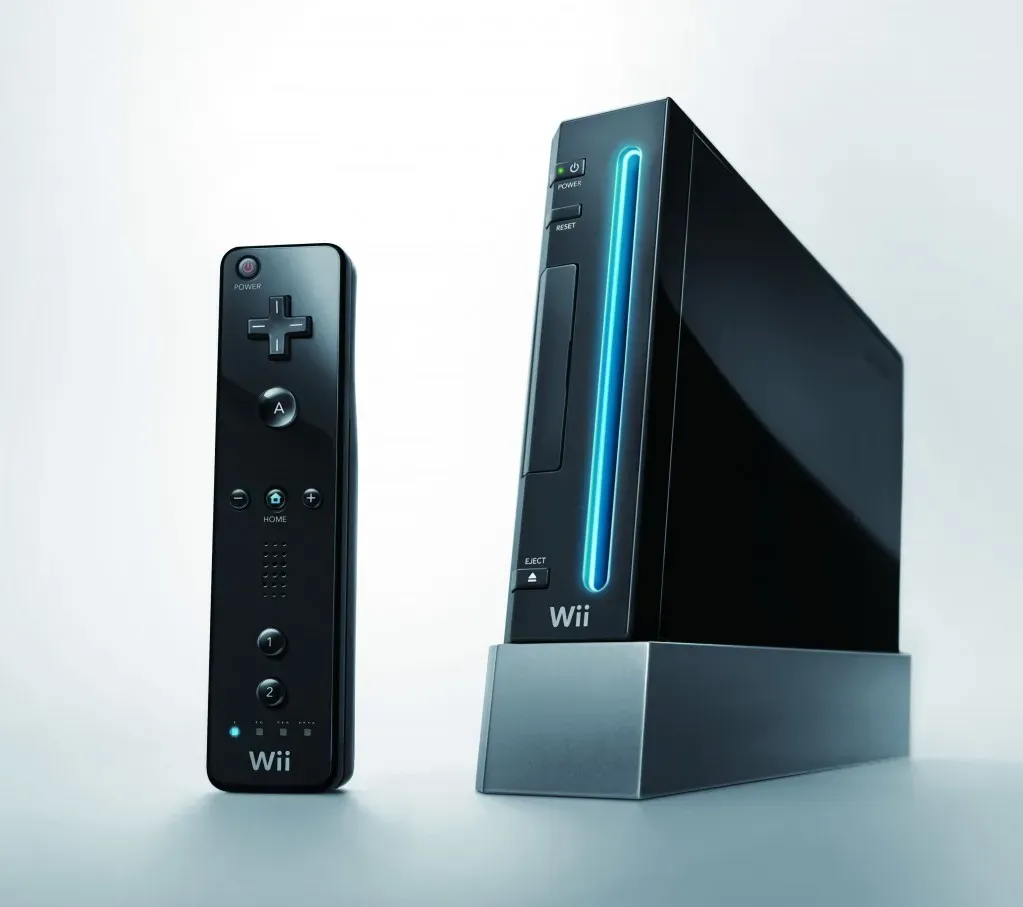
Nintendo patent victory underscores a 15-year legal battle as Nintendo secured $8.2 million in damages, interest, and legal fees from a third-party Wii controller seller. The Games Fray noted that the ruling, which targets BigBen Interactive (now Nacon), orders payment for infringing the Wii controller patent. Nintendo patent enforcement has been described as remarkable because the court determined that third-party hardware would have cannibalized sales. The decision also highlights German patent damages as part of the calculation, underscoring the complexities of German patent law. BigBen Nacon lawsuit continues with an appeal, signaling how IP enforcement in gaming hardware is evolving.
From a broader IP perspective, the case illustrates how gaming peripherals can become battlegrounds for patent rights in Europe. The decision demonstrates patent enforcement dynamics regarding third-party controllers and the potential for substantial euro-denominated damages. Industry observers describe it as a landmark in European intellectual property litigation, with implications for licensing negotiations and competitive strategy. In the broader narrative, the case informs discussions about the protection of core gameplay mechanics and the need for robust design patents against imitators.
Nintendo patent victory marks a milestone in German patent enforcement
The 15-year legal battle culminated in a German court ordering BigBen Interactive (now Nacon) to pay damages and interest totaling about €7 million for infringing Nintendo’s Wii controller patent. This outcome is widely described in industry circles as a Nintendo patent victory, underscoring Nintendo’s aggressive patent enforcement strategy across Europe. The ruling demonstrates that protection for core controller technology remains a priority for Nintendo as it defends its hardware ecosystem and brand integrity against peripheral competitors.
The decision highlights how German patent damages can be calculated to reflect the broader market impact of infringement, particularly when third-party hardware could displace Nintendo’s own sales. As described by The Games Fray and echoed by Nintendo’s German legal team, the court’s approach aligns with the goal of deterring future infringement in the highly competitive space of gaming peripherals and reinforces the significance of a robust Wii controller patent in ongoing enforcement efforts.
Timeline of the BigBen Nacon lawsuit: from 2011 infringement finding to 2024 damages ruling
The case began with a 2011 verdict finding that BigBen had infringed Nintendo’s patent, setting the stage for a drawn-out European dispute that stretched across more than a decade. The protracted legal journey included multiple delays, such as disputes over a court-appointed expert and several rounds of appeals, before reaching a damages decision at the end of October. This timeline illustrates the patience and persistence characteristic of Nintendo patent enforcement in Europe when hardware suppliers are implicated.
The seven-plus year duration of proceedings illustrates the complexities involved in proving damages separate from liability and the financial stakes for both sides. It also demonstrates how German patent damages can accumulate through interest and litigation costs, contributing to a final sum that reflects more than a simple infringement finding. In this way, the BigBen Nacon lawsuit serves as a high-profile example of cross-border patent litigation dynamics around the Wii controller patent.
Damages calculation and the hidden costs: interest, base rates, and legal fees
A key feature of the ruling is the calculation of damages incorporating interest at five percentage points above the base rate, a component lawyers for Nintendo describe as significantly elevating BigBen’s payment obligation. This mechanism shows how German patent damages can be sensitive to the timing of rulings and the accrual of interest during lengthy litigation. The final amount—just under €7 million—reflects more than nominal damages; it embodies lost-value considerations and the economic impact of infringement on Nintendo’s business.
Beyond the interest, the court also ordered coverage of legal fees and related expenses incurred by Nintendo, which amplifies the total liability for the infringing party. The structure of the damages award indicates a policy intention to deter protracted litigation strategies and reward prompt, transparent resolutions. For Nintendo, this financial framework reinforces the importance of precise damages modeling in European patent disputes surrounding the Wii controller patent.
Market impact: how the ruling affects Wii controller hardware and competitors
The ruling sends a clear market signal to providers of third-party Wii controller hardware that Nintendo will pursue patent remedies vigorously in Europe. For makers of compatible controllers, the decision adds a legal risk layer to product development and distribution, potentially prompting more thorough patent clearance and licensing discussions. The Wii controller patent at the center of the dispute remains a touchpoint for evaluating whether accessory devices cross the line into infringement.
From a business perspective, the damages award may influence pricing, licensing terms, and strategic partnerships within the gaming accessories ecosystem. Retailers and manufacturers could reassess catalog offerings, focusing on compliant designs or authorized licensing arrangements to avoid future exposure. The case therefore has practical implications for how the market negotiates around “Wii controller patent” rights and the broader Nintendo patent enforcement posture.
What happens next: appeals, and the path forward for Nacon
BigBen/Nacon retains the right to appeal the damages ruling, a step that could prolong the resolution and potentially modify the final payment. Appellate proceedings in German patent litigation are not uncommon, and Nintendo’s team has framed the decision as “remarkable” given the complexities involved in calculating damages within this jurisdiction. An appeal could challenge both liability and the amount of damages, potentially altering the financial exposure for Nacon.
Nintendo’s enforcement emphasis suggests that the company will monitor post-judgment actions closely. For Nacon, the appeal presents a strategic choice—pursue further challenges to the damages calculation or seek to negotiate a settlement to reduce the risk of a higher award on appeal. The BigBen/Nacon lawsuit thus remains an ongoing matter with potential implications for licensing negotiations and future European patent disputes.”}]},{
Frequently Asked Questions
What is the Nintendo patent victory in Germany against BigBen Interactive (now Nacon) about and which patent is involved?
In a 15-year dispute, a German court found that BigBen Interactive (now Nacon) infringed Nintendo’s European Wii controller patent. The judgment requires BigBen/Nacon to pay damages and interest totaling just under €7 million, with reports noting about €8.2 million in damages, interest, and legal fees. BigBen can appeal, and Nintendo’s lawyers called the ruling remarkable given German patent-damages procedures for setting the amount of damages.
How does this Nintendo patent enforcement case illustrate German patent damages and enforcement?
The court awarded damages plus interest at 5 percentage points above the base rate, highlighting how German patent damages can accumulate in patent litigation. The final claim covers damages and legal costs, and the ruling suggests that lost sales due to infringing third-party hardware can be attributed to infringement during German patent enforcement.
What role did the Wii controller patent play in Nintendo’s victory and why is the term ‘Wii controller patent’ relevant to Nintendo patent enforcement?
The Wii controller patent was the core patent at issue in the case. Nintendo’s enforcement showed that BigBen’s devices, and other third-party controllers, were likely to infringe this patent. The court’s 2011 finding reinforced Nintendo patent enforcement and underpinned the subsequent damages award.
What is the current status of the BigBen Nacon lawsuit following the Nintendo patent victory?
Nacon is appealing the judgment. The ruling ends first-instance proceedings after more than seven years, but the case remains under appeal. The damages, interest, and legal costs are subject to the appellate decision and any further legal steps.
How does the Nintendo patent victory relate to international patent enforcement, including potential US patent developments?
This German victory is part of Nintendo’s broader patent-enforcement efforts. International developments include a US Patent Office reexamination of a Nintendo patent protecting a common gameplay mechanic. While the reexamination does not immediately revoke the patent, it signals ongoing scrutiny and the importance of Nintendo patent enforcement on a global scale.
What lessons should other third-party hardware makers take from the German patent damages ruling in this Nintendo patent victory?
The ruling shows that infringement can incur substantial damages and interest, and that delaying tactics can backfire. Third-party hardware makers should consider licensing or designing around Nintendo patents to mitigate risk and avoid costly outcomes in German patent damages proceedings.
| Key Point | Summary |
|---|---|
| Parties and case | Nintendo vs. BigBen Interactive (now Nacon) in Germany over a European patent related to Nintendo’s Wii controller. |
| Judgment timing | Judgment reached at the end of October; the lawsuit is described as 15 years old. |
| Damages awarded | Damages, interest, and legal fees total about €7 million (~$8.2 million). |
| Interest rate | Interest accrues at 5 percentage points above the basic rate, significantly increasing the total claim. |
| Appeal status | Nacon (BigBen) is appealing the judgment. |
| Infringement findings | Court had found infringement in 2011; found that third-party controllers were highly likely to infringe the patent-in-suit. |
| Case duration and delays | First-instance proceedings dragged on for more than seven years, with delays such as rejecting a court-appointed expert. |
| Damages basis | Court assumed BigBen’s hardware would have represented 100% of Nintendo’s potential sales, affecting damages. |
| Related US patent issue | USPTO reexamination of US Patent No. 12,403,397 related to a gameplay mechanic; potential implications but not an immediate revocation. |
| Current status | Ruling stands as end of first-instance damages proceedings in Germany; appeal ongoing. |
Summary
| Key Point | Summary |
|---|---|
| Parties and case | Nintendo vs. BigBen Interactive (now Nacon) in Germany over a European patent related to Nintendo’s Wii controller. |
| Judgment timing | Judgment reached at the end of October; the lawsuit is described as 15 years old. |
| Damages awarded | Damages, interest, and legal fees total about €7 million (~$8.2 million). |
| Interest rate | Interest accrues at 5 percentage points above the basic rate, significantly increasing the total claim. |
| Appeal status | Nacon (BigBen) is appealing the judgment. |
| Infringement findings | Court had found infringement in 2011; found that third-party controllers were highly likely to infringe the patent-in-suit. |
| Case duration and delays | First-instance proceedings dragged on for more than seven years, with delays such as rejecting a court-appointed expert. |
| Damages basis | Court assumed BigBen’s hardware would have represented 100% of Nintendo’s potential sales, affecting damages. |
| Related US patent issue | USPTO reexamination of US Patent No. 12,403,397 related to a gameplay mechanic; potential implications but not an immediate revocation. |
| Current status | Ruling stands as end of first-instance damages proceedings in Germany; appeal ongoing. |