
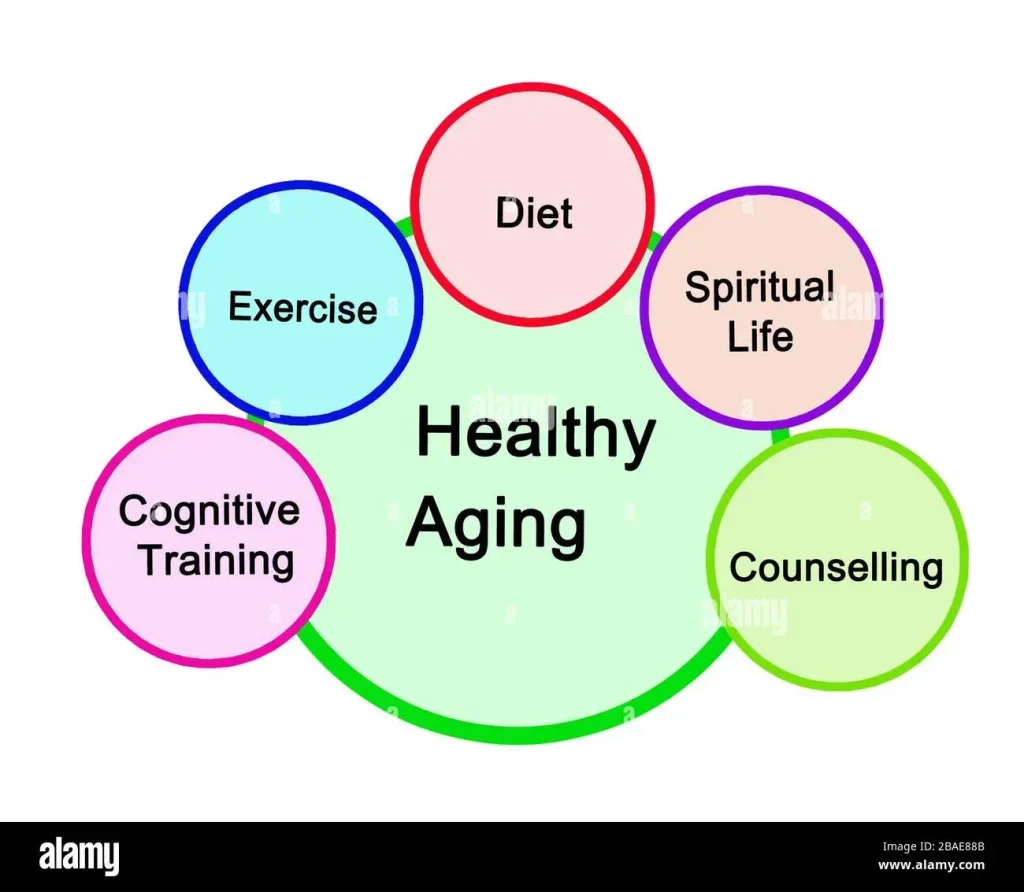
Healthy aging is a holistic path to vitality that starts with simple, sustainable choices, including healthy aging nutrition for long-term wellness. Regular movement, from brisk walks to gentle strength work, supports heart health and is central to exercise for longevity, adaptable to your lifestyle. Beyond physical health, lifelong learning and daily mental challenges nurture cognitive resilience in aging by keeping the brain adaptable and curious. Sleep quality plays a pivotal role in mood, memory, and daytime energy, so consistent routines, light evenings, and a cool sleeping environment matter. Building a supportive network through friends, family, and community helps sustain motivation and joy on the health journey.
Aging well is about sustaining energy, mobility, and mental sharpness through everyday choices that honor the body’s natural rhythms. Focusing on balanced nutrition, regular physical activity, and restorative rest creates a foundation for enduring vitality across the decades. Maintaining cognitive vitality comes from lifelong learning, social engagement, and purposeful activities that challenge the mind. Strong relationships and community involvement support emotional well-being and resilience as the years accumulate. By framing wellness as a long-term lifestyle rather than a set of rules, readers can cultivate a resilient, meaningful life at any age.
Healthy Aging Through Nutrition, Sleep, and Social Connection
In the realm of healthy aging nutrition, choosing nutrient-dense foods supports lean muscle, bone density, energy, and steady cognitive processing. Emphasize a plate that blends colorful vegetables and fruit, lean proteins, and whole grains or healthy fats to create reliable energy without spikes. Hydration matters too, as water supports all bodily functions and can help maintain mood and mental sharpness. Small, consistent dietary changes—rather than dramatic overhauls—build a sustainable foundation for vitality as we age.
Sleep quality in aging adults profoundly influences daytime energy, appetite regulation, and emotional resilience. Establish a predictable sleep schedule, create a calming pre-sleep routine, and optimize the bedroom environment—dark, quiet, and cool—to improve sleep onset and continuity. Social connection and aging go hand in hand with healthy habits: meaningful relationships can reinforce routines around meals, hydration, and rest, while reducing stress and isolation that can undermine both sleep and nutrition over time.
Exercise for Longevity: Supporting Brain Health, Muscle Strength, and Social Well-Being
Exercise for longevity is a powerful driver of vitality, cardiovascular health, balance, and mood. A well-rounded routine includes aerobic activity, strength training, and balance work, aiming for roughly 150 minutes of moderate cardio per week plus regular resistance sessions. For beginners or those with chronic conditions, starting small and progressing gradually helps sustain consistency, which is more important than intensity in the long run.
Beyond physical benefits, movement supports cognitive health in aging by promoting neural plasticity, memory, and executive function. Regular activity pairs well with sleep quality in aging adults to improve restoration and daytime alertness. Group-based activities—walking clubs, tai chi, or cycling with friends—also reinforce social connection and aging, providing motivation, accountability, and a sense of purpose that sustains an active lifestyle.
Frequently Asked Questions
What is healthy aging nutrition, and how can it support muscle strength, bone density, and cognitive health as we age?
Healthy aging nutrition means focusing on nutrient-dense foods that support lean muscle, strong bones, heart health, and brain function. Prioritize high‑quality protein at each meal (lean meats, fish, eggs, dairy, legumes, nuts and seeds) to preserve muscle mass, and include omega‑3 fatty acids from fish, flaxseeds, and walnuts for heart and brain health. Calcium and vitamin D help maintain bone density, while potassium, magnesium, and phosphorus support healthy blood pressure and muscle function. Use the plate method—half your plate with colorful vegetables and fruit, a quarter with lean protein, and a quarter with whole grains or healthy fats—plus hydration to support energy and cognitive sharpness. Aim for regular meals and snacks that distribute protein evenly; consider consulting a registered dietitian for personalized guidance. The goal is steady, sustainable changes that fit your life, not perfection.
Why is sleep quality in aging adults important for healthy aging, and what practical steps can improve it?
Sleep quality in aging adults influences memory, appetite regulation, physical recovery, and daytime energy. Most adults benefit from seven to nine hours of sleep per night, though needs vary. Enhance sleep by maintaining a consistent schedule, creating a calming pre‑sleep routine, and optimizing the sleep environment (dark, quiet, cool). Limit caffeine in the afternoon, avoid heavy meals late at night, and reduce screen exposure before bed. Practice good sleep hygiene alongside stress‑management techniques—such as mindful breathing or gentle movement—and ensure regular physical activity. If sleep problems persist, consult a healthcare provider to identify underlying causes and evidence‑based strategies.
| Aspect | Key Points | Practical Takeaways |
|---|---|---|
| Introduction / Overview | Healthy aging is a holistic, vitality‑focused view of aging that sees aging as an opportunity. It emphasizes body, mind, and spirit and centers on nutrition, movement, sleep, cognitive health, and social connection. | Adopt simple, sustainable daily practices to support vitality as you age. |
| Nutrition | Protein supports lean muscle; emphasizes whole foods; plate method; hydration; omega‑3s; calcium and vitamin D; magnesium may aid sleep. | Distribute protein across meals; choose protein sources wisely; stay hydrated; consider magnesium‑rich foods to support sleep. |
| Exercise & Physical Activity | Regular aerobic activity, strength training, and balance work enhance heart health, muscle mass, bone density, and mobility. Aim for about 150 minutes of moderate cardio per week plus 2+ days of resistance training. | Incorporate movement daily; use simple home workouts; prioritize balance; gradually scale intensity and duration. |
| Sleep | Quality sleep supports memory, appetite regulation, and recovery. Most adults benefit from 7–9 hours per night; maintain regular schedule and calming routines. | Create a consistent sleep routine; optimize the sleep environment; limit caffeine later in the day; reduce screens before bed. |
| Cognitive Health & Mental Engagement | Lifelong learning and mental stimulation support neural plasticity. Engage in reading, puzzles, new skills, social interaction, mindfulness, and purposeful activities. | Keep the brain active and socially engaged; practice mindfulness and stress reduction. |
| Social Connection & Community | Strong social ties promote emotional well‑being and may influence longevity. Regular interaction reduces isolation and supports healthy behaviors. | Nurture relationships and seek groups or activities; start small with regular calls or local classes. |
| Stress Management & Resilience | Chronic stress can impair sleep, digestion, and immune function. Use mindful breathing, meditation, gentle movement, and hobbies to build resilience. | Incorporate brief stress‑reduction moments daily; break tasks into small steps. |
| Preventive Care & Health Screenings | Regular checkups, vaccinations, screenings, and chronic disease management are essential components of Healthy aging. | Stay up to date with checkups and screenings; discuss a personalized plan with your healthcare provider. |
| Hydration, Timing, and Supplements | Hydration supports energy, digestion, and cognition; supplements should be discussed with a clinician and suit individual needs. | Prioritize fluids; use supplements only under professional guidance; supplements complement, not replace, a balanced diet. |
| Putting It All Together: Practical Plan | A practical plan emphasizes gradual adoption of sustainable habits. | Start with 1–2 changes for 30 days; track progress and adjust; small steps accumulate into meaningful gains. |
Summary
Conclusion paragraph will follow with a descriptive, SEO‑friendly summary of Healthy aging.